Introduction
Speed often wins in cosmetic packaging, yet speed without method costs more later. The eyeliner tube sits at that exact crossroads of beauty and engineering. In a busy studio in Dubai, a tester swaps caps, wipes, and tips between samples to meet a shoot deadline; teams reach for an empty eyeliner tube to trial shades and brush styles. Bench checks in the region show that small design gaps—like a 0.2 mm mismatch between wiper and stem—can drive visible seepage, while a hard cap torque can crack a thin ferrule after a drop test. So, how can brands move faster and still keep seal integrity, clean payoff, and shelf stability (without a price shock)?
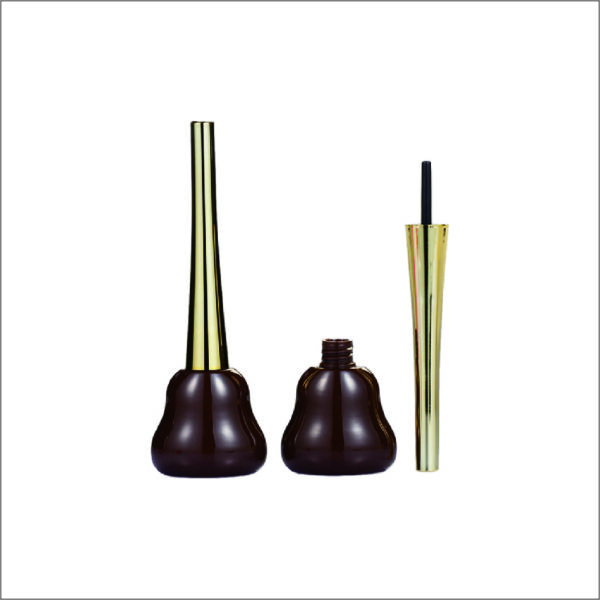
Consider the common scene: a rush order, a new formula, and a tight window. Data from pilot runs often points to the same pattern—minor tolerances become major returns. The question is simple: Which choices will lift performance first, and which ones only look quick? Let us parse that in a clear, side-by-side way and set the ground for better moves next.
Hidden Pain Points in the “Empty Tube” Phase
Where do old fixes fall short?
When teams start with an empty unit, they assume the hardware is neutral. It is not. The wiper hardness, stem polish, and brush crimp all shape flow, pickup, and line control. Traditional fixes tell you to “tighten the cap” or “switch to a softer wiper.” Yet cap torque can mask a bad seal path and stress the thread. A softer wiper may scrape less but can let low-viscosity ink pool near the orifice. Look, it’s simpler than you think: match the Shore A of the wiper to the formula’s viscosity band, then check leakage under 40–60 kPa pressure. Add a basic tilt test at 45 degrees for 24 hours. These two steps catch most micro-leaks early—funny how that works, right?
Legacy choices also ignore how parts talk to each other. Injection molding tolerances on PP or ABS bodies vary across cavities; a 0.05 mm lip shift can nick the brush and fray fibers. Ultrasonic welding of inner sleeves can leave flash that scrapes the stem on every draw. Anodized aluminum caps look premium, but thin-wall designs dent in transit and upset cap alignment. Even the ferrule fit around the brush base matters: too loose and capillary action drops, too tight and payoff starves. The pain point is clear: old fixes treat symptoms. The deeper layer is interface control—component-to-component fit, not a single hero part.
Comparative, Forward-Looking Choices
What’s Next
Newer builds solve the interface, not just the look. A micro-ribbed stem reduces shear on the wiper, so pickup stays stable from first to last use. Plasma-treated interior channels lower surface energy, improving drain-back and reducing tip splotches. A two-durometer wiper (soft lip, firm body) holds seal under heat while keeping clean swipe on the brush. Compared to legacy one-piece wipers, the retention rate in stress tests rises, and cap torque can drop by 10–15% with no leak penalty. If you are shifting from pilot to scale, test a cavity map: pair each cavity number with flow data to spot drift early. Then, for transport, add a vented cap insert to equalize pressure in flight—small part, big calm.
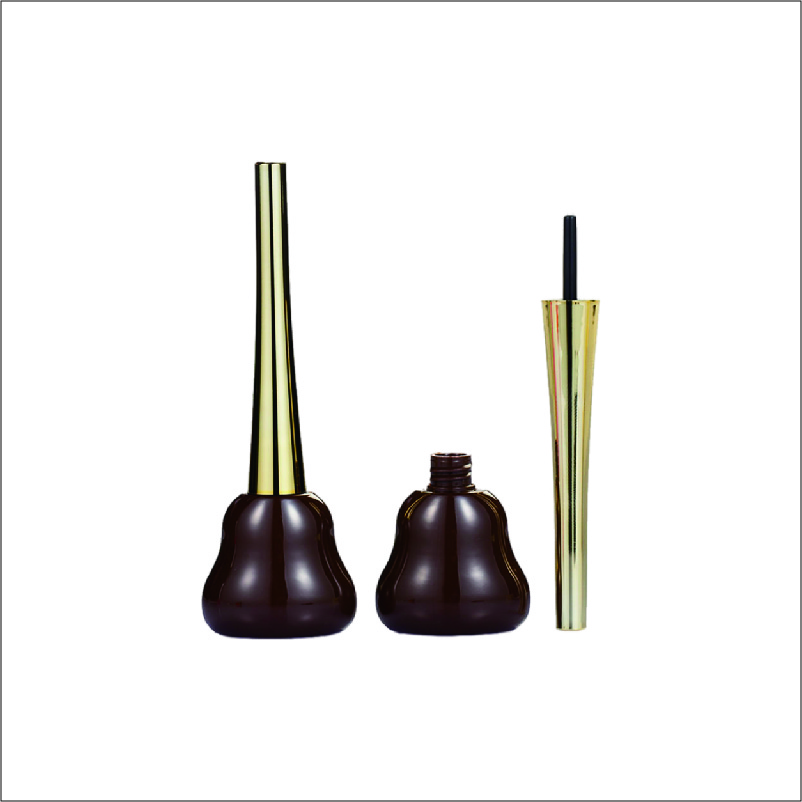
Consider a near-term path as well: brands that trial a liquid eyeliner tub with a silicone wiper and low-friction stem often see smoother line laydown after week four, when many pens start to starve. Add laser-etched batch marks for traceability and run a three-point evaluation—dispense rate, seal recovery, and brush integrity—after thermal cycling. The outlook is practical: fewer returns, tighter QA windows, and happier artists in the field. We compared old fixes versus the new principles and saw one theme: manage interfaces, not only materials. Small upgrades stack. They work across shades, climates, and freight routes—and yes, it feels like magic.
Advisory close: when selecting your next system, track three core metrics. One, seal integrity under pressure and tilt (no dye creep, no cap sweat). Two, line consistency across 100 strokes (pickup and release within a narrow band). Three, component synergy—wiper, stem, and brush must pass fit checks across all cavities. Use these, and your upgrades become measurable, not guesswork. For deeper technical dialogues and tooling alignment, see NAVI Packaging.