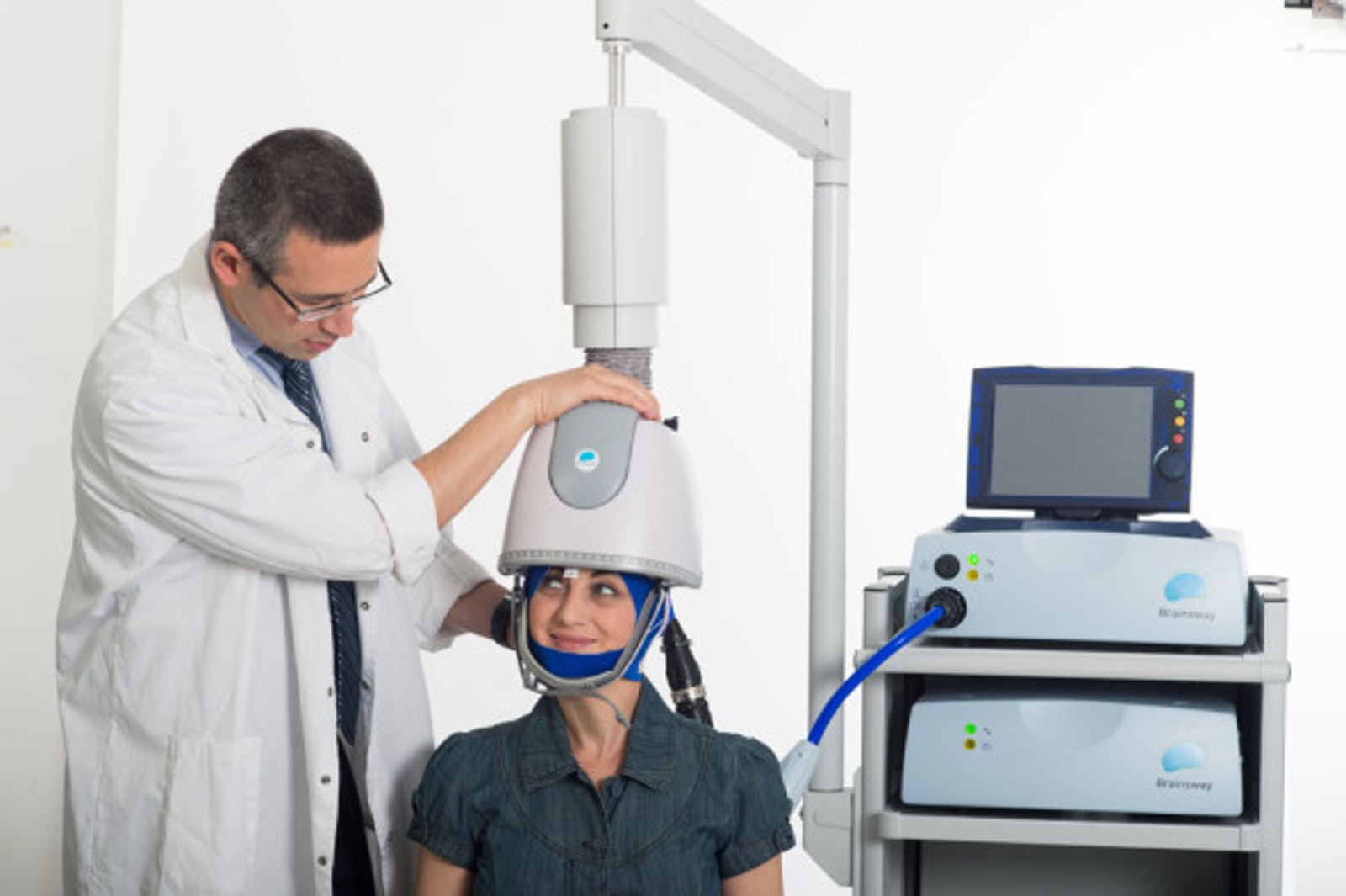
Transcranial Magnetic Stimulation (TMS) therapy has become a prominent treatment option for individuals suffering from major depressive disorder (MDD), particularly those who have not responded to traditional treatments. TMS is a non-invasive procedure that employs magnetic fields to stimulate nerve cells in the brain. By placing an electromagnetic coil on the scalp, this therapy delivers targeted magnetic pulses that penetrate the brain’s surface tms near me. These pulses aim to modulate brain activity in regions associated with mood regulation, such as the prefrontal cortex. Clinical research has demonstrated that TMS can be an effective alternative for patients who have experienced limited success with antidepressants or psychotherapy alone.
One of the primary benefits of TMS therapy is its non-invasive nature, which distinguishes it from more invasive procedures like electroconvulsive therapy (ECT). Unlike ECT, TMS does not require anesthesia or cause significant side effects. During the procedure, patients remain awake and alert, experiencing minimal discomfort. The treatment sessions typically last between 30 to 60 minutes and are well-tolerated, with side effects often limited to mild scalp discomfort or occasional headaches. This aspect of TMS makes it a more accessible and less intimidating option for many patients seeking relief from depression.
The effectiveness of TMS therapy is supported by substantial clinical evidence. Research has shown that TMS can significantly alleviate symptoms of depression, leading to substantial improvements in mood and overall functioning for many patients. TMS therapy is usually administered in a series of sessions over several weeks, with each session involving targeted stimulation of specific brain regions. Ongoing evaluations are conducted to monitor the patient’s response to treatment, and adjustments can be made as needed. Many patients report enduring benefits even after completing their initial treatment course, although some may require maintenance sessions to sustain the improvements achieved.
Beyond its established role in treating depression, TMS therapy is being explored for its potential benefits in other mental health conditions. Research is ongoing into the use of TMS for conditions such as anxiety disorders, post-traumatic stress disorder (PTSD), and chronic pain. Preliminary studies suggest that TMS may have promising applications in these areas, though further investigation is necessary to confirm its efficacy and safety. The expansion of TMS applications reflects the growing interest in leveraging this technology to address a broader range of psychological and neurological issues.
In summary, Transcranial Magnetic Stimulation (TMS) therapy represents a significant advancement in the field of mental health treatment. Its non-invasive nature, combined with its effectiveness in treating depression and potential benefits for other conditions, highlights its value as a therapeutic option. As research continues and TMS technology evolves, it holds the promise of providing more effective and personalized treatment solutions for individuals facing challenging mental health issues, offering hope and relief for those who have struggled with conventional treatments.