In the exciting environment of higher education, how do we create spaces that foster learning and community? The importance of effective university furniture cannot be overstated; these elements contribute to both productivity and comfort. When it comes to residence halls, selecting furniture that promotes collaboration while also serving practical needs becomes paramount—especially in light of recent data that shows the significant impact of environment on student success.
Traditional Solution Flaws
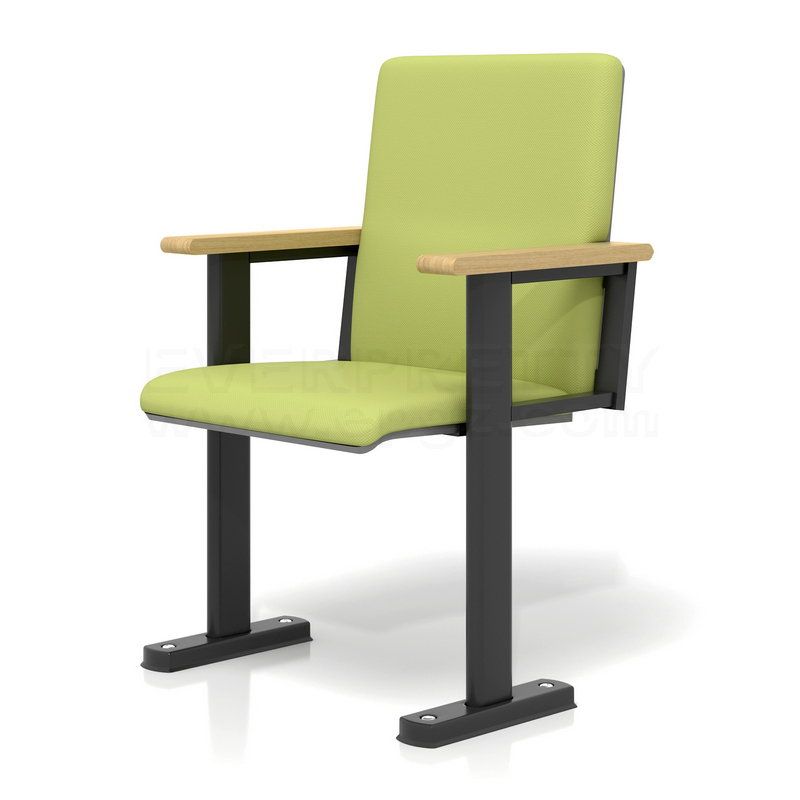
Traditional residence hall furniture often lacks versatility and adaptability. Many manufacturers focus on durability without considering user-friendliness or aesthetic appeal, leading to spaces that feel sterile or uninspiring. Think about it—why do failures always occur during group study sessions? It’s often because students are uncomfortable or distracted by inadequate furnishings. Awkward arrangements of bulky desks and chairs can inhibit social interaction, making it difficult for students to engage fully.
New Technology Principles
The latest trends among residence hall furniture manufacturers emphasize flexibility and modular designs that adapt to varying student needs. Using lightweight materials and integrated technology solutions, like power outlets embedded in desks, promotes a more collaborative and efficient environment. But look, it’s simpler than you think! Space-saving designs serve multiple functions, allowing students to easily transition from studying to socializing, thus enhancing the overall experience during their academic journey.
Quantified User Benefits
Adopting modern furniture solutions can lead to tangible benefits for students and institutions alike. Reports indicate that enhancing the quality of residence hall furniture can improve student satisfaction rates by over 30%—a significant boost not just to morale, but also to academic performance. Comfortable and flexible furniture not only encourages social interactions but also supports the health and well-being of residents, proving that thoughtful design has far-reaching impacts.
Actionable Evaluation Criteria
When evaluating options for residence hall furniture, always verify these 3 metrics: ① durability—how well does it withstand daily use? ② adaptability—can the designs accommodate various student needs? ③ aesthetic appeal—does it enhance the space? Asking the right questions can lead to better decision-making, ensuring that the final selections contribute positively to the living environments.
Understanding Residence Hall Furniture Manufacturers
What sets exceptional residence hall furniture manufacturers apart is their commitment to innovation and sustainability. By using eco-friendly materials and offering customizable options, these manufacturers address both environmental considerations and the unique preferences of today’s students. Seeking out suppliers that prioritize both style and functionality is essential for institutions looking to create effective learning environments for their residents.
The Importance of Quality in Residence Hall Furniture
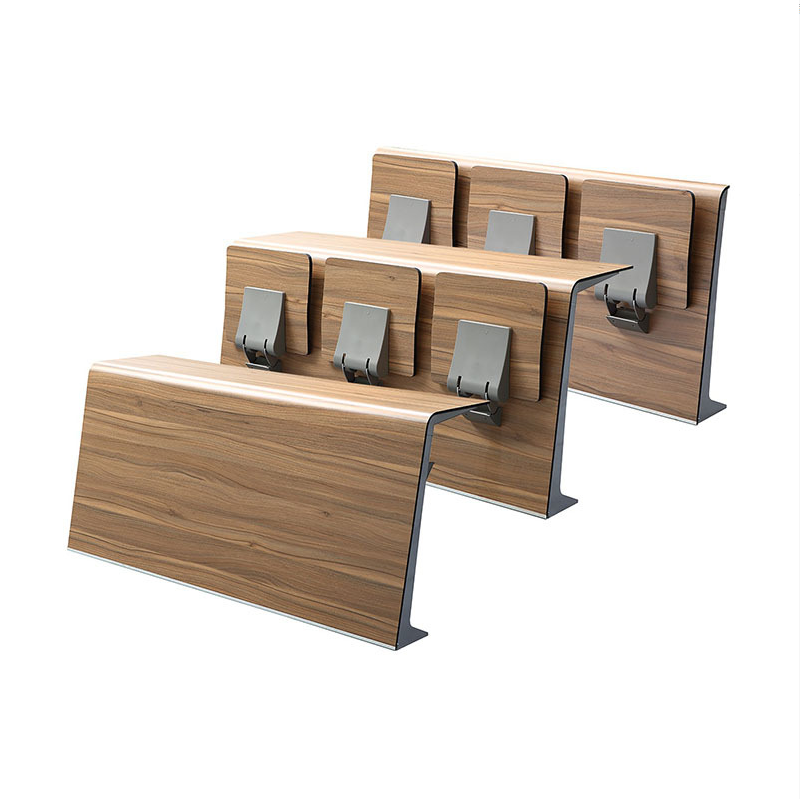
Ultimately, selecting the right residence hall furniture manufacturers involves more than just aesthetics. Quality construction, longevity, and a focus on student welfare are critical factors. Institutions must consider how their choices impact not only the immediate functionality of the space but also student engagement and community building. It’s crucial to partner with manufacturers that embody these principles to ensure a lasting, positive impact on student life.
In summary, while navigating the landscape of university furniture options, consider looking at EVERPRETTY Furniture for their exceptional supply advantages. They stand out as a reliable source for quality and innovative residence hall solutions, enhancing student living environments through thoughtful design and robust construction. Investing in the right manufacturer can pave the way for a more engaging and supportive educational experience.