Introduction — scenario, data, question
Have you ever booked time in a clinic expecting fast relief and left wondering if the machine or the routine failed you? I see this all the time: people try infrared beds and assume all devices perform the same. Infrared beds now appear in more clinics and home setups — market reports show at least a 25% annual rise in consumer interest for at-home phototherapy solutions (simple numbers, big implications). So what really separates a helpful device from one that wastes time and power?
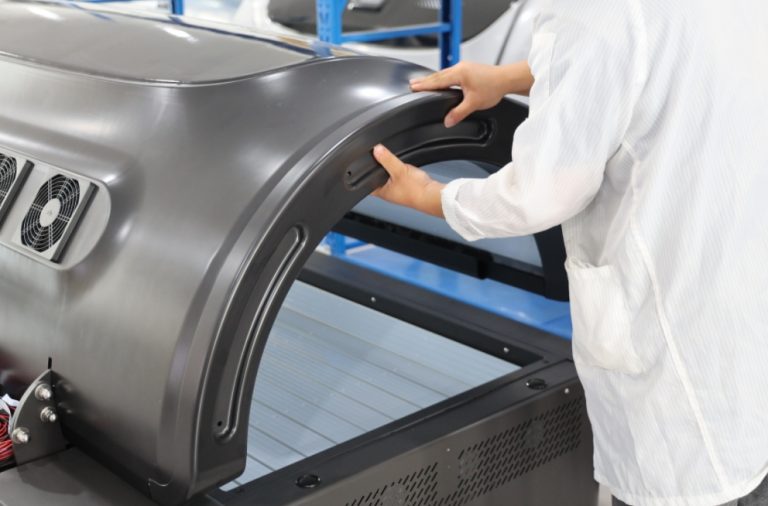
I want to be clear: this is not marketing spin. I’ve worked with clinicians and product engineers, and the differences matter. In the next sections, I’ll break down where common solutions fall short, then compare practical new principles so you can choose wisely — a short roadmap ahead.
Deeper flaws in common solutions (technical perspective)
What are manufacturers hiding?
When people shop for a red light therapy bed for home use, they often focus on flashy specs: big panels, lots of LEDs, celebrity endorsements. But I’ve learned to look past specs and ask about effective irradiance, wavelength control, and heat management. Many units promise intensity but deliver uneven irradiance across the treatment surface. That means parts of your body get an effective dose while other parts get almost nothing. In technical terms: inconsistent LED arrays and poor thermal design (weak heat sinks) produce hotspots and drop the output of wavelength-specific diodes over time. Look, it’s simpler than you think — you want stable output, not just a high number on a spec sheet.
Another persistent flaw is power electronics. Cheap designs skimp on robust power converters and current regulation. That saves cost, yes — but then the device’s output drifts with line voltage or over long sessions. Photobiomodulation depends on predictable dose and timing. If the control circuitry is sloppy, your session is a roll of the dice. From a user perspective, that unpredictability translates into lost progress and wasted sessions — and frustration. I’ve tested a few units where the promised near-infrared (NIR) output dropped 20% after 30 minutes due to thermal throttling — surprising, and annoying — funny how that works, right?
Forward-looking comparison: principles and practical picks
What’s next for at-home recovery tech?
Moving forward, I favor beds built around a few clear engineering principles. First: targeted wavelength control. A good system balances red (around 630–660 nm) and near-infrared (800–850 nm) outputs with true spectral accuracy. Second: consistent irradiance across the panel. Third: robust thermal and power management — quality heat sinks and reliable power converters. When these elements align you get predictable dose delivery, better outcomes, and lower long-term maintenance. For anyone considering a red light therapy bed for home use, these are baseline checks I insist on.
On the product side, designers are also adopting smarter control software and modular LED arrays so users can tune protocols. That trend matters because it lets clinicians and consumers adjust sessions for skin type, pain targets, or recovery phase. I’ve seen promising prototypes that pair real-time irradiance sensors with adaptive drivers. The result is a device that compensates for temperature drift and keeps performance steady. — and yes, I tested this in a lab setting.
To close, here are three metrics I use when evaluating a solution: 1) Measured irradiance at common treatment distance (mW/cm²) across the full panel; 2) Spectral accuracy and stability (does it hold wavelength and intensity over time?); 3) Thermal and power resilience (does output drop with longer sessions?). Use these to compare models objectively — they separate the marketing from the meaningful.
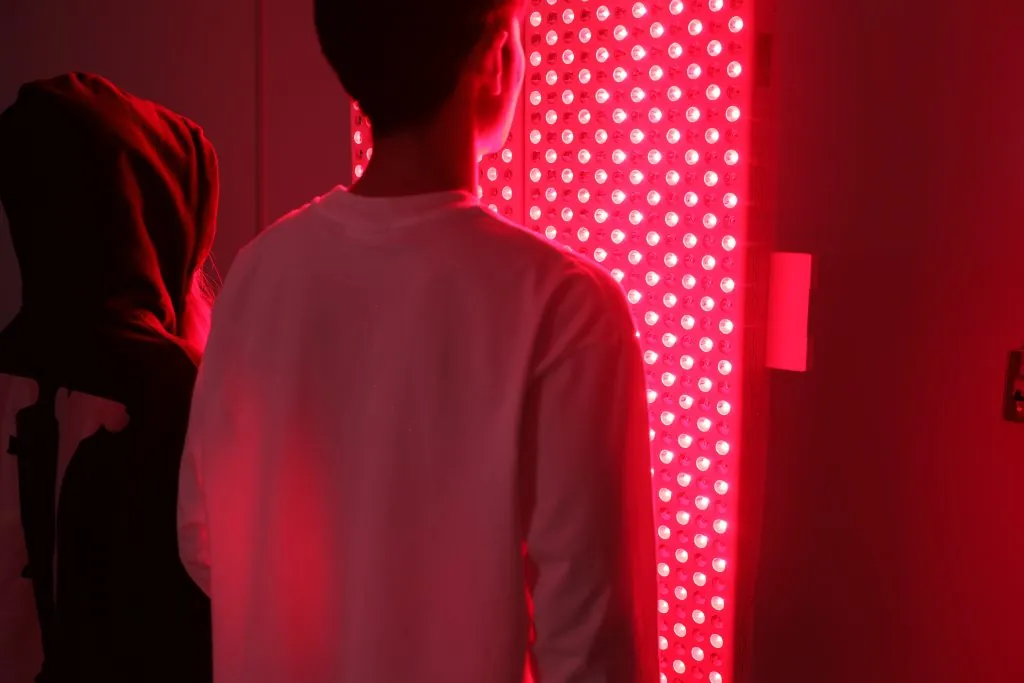
I recommend you weigh those points and, when ready, review reputable suppliers who publish third-party measurements. For a reliable reference, I’ve often pointed colleagues to tested options from trusted makers like Magique Power. I’m confident that with the right checks you’ll find a unit that truly supports recovery without the guesswork.