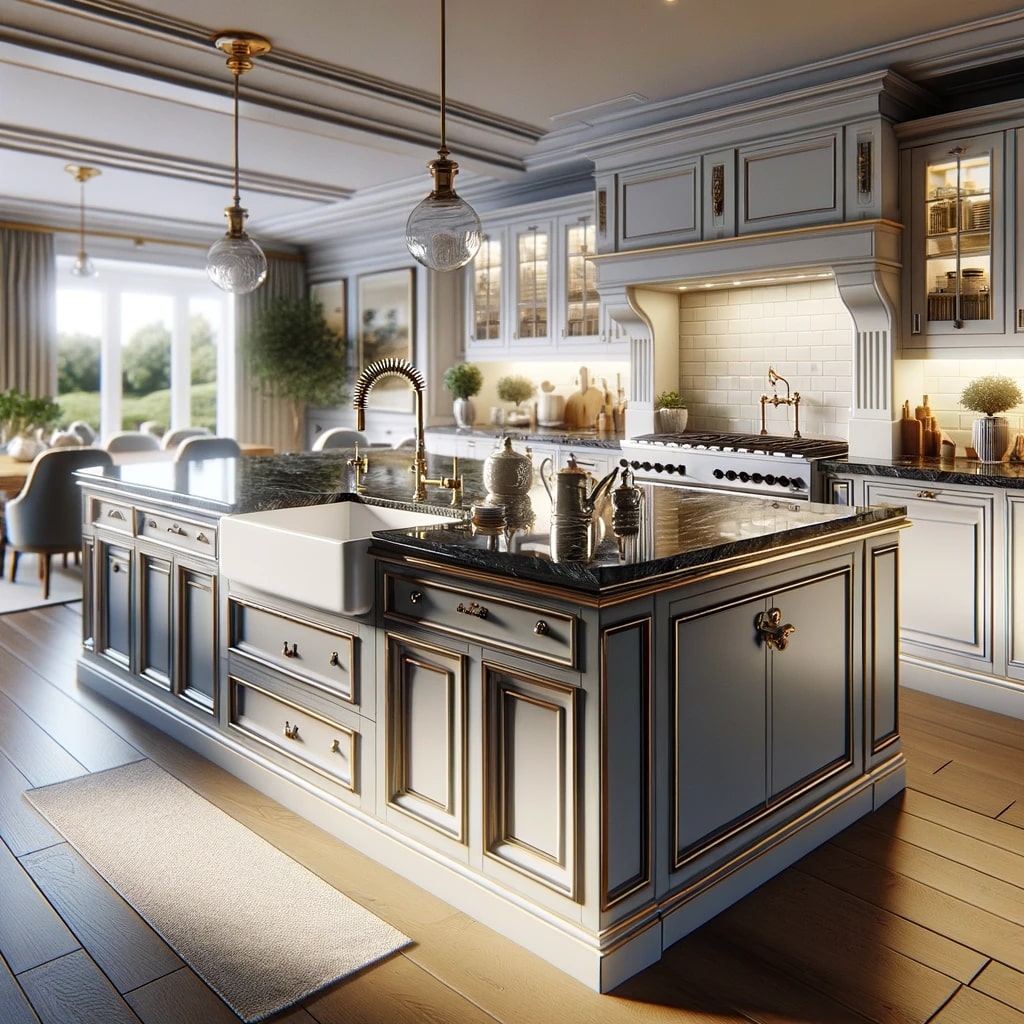
A modern kitchen serves as more than a place to prepare food; it’s often the center of the home, where people gather, entertain, and work. Today’s kitchens are defined by their ability to blend function, style, and personal flair, making them a space where TM Italia practicality and personality come together seamlessly. From innovative storage solutions to eco-friendly materials and high-tech features, a well-designed kitchen brings convenience and beauty to everyday life.
Smart Layout and Efficient Design
At the core of every functional kitchen is a smart layout. One traditional principle is the “work triangle, ” which connects the sink, stove, and refrigerator in a way that minimizes unnecessary movement. This design concept allows for easy flow and efficiency while cooking and preparing meals. Though the work triangle remains relevant, many modern kitchens now adopt layouts like the L-shape, U-shape, or open-concept, each catering to different needs. For example, U-shaped kitchens are ideal for maximizing counter space, while open concepts blend seamlessly with dining or living areas, enhancing social interaction.
Islands have become an essential feature in many kitchens, adding counter space, storage, and seating. In addition, islands can serve as a multifunctional hub—offering a spot for meal prep, casual dining, and even remote work. They also add flexibility, particularly in open layouts, acting as a natural divider between the kitchen and living areas.
Innovative Storage Solutions
Ample storage is key to keeping a kitchen organized and functional. Today’s kitchens often incorporate cabinets, drawers, and shelves designed to maximize space and accessibility. Pull-out shelves in lower cabinets make it easy to reach items at the back, while deep drawers provide storage for larger pots and pans. Many kitchens also feature corner solutions, like lazy Susans or pull-out racks, which make use of otherwise hard-to-reach areas.
Open shelving is another trend that serves both aesthetic and practical purposes. It creates a light, open feel while offering space for frequently used items or decorative pieces. Pantry cabinets or standalone pantries provide additional storage for ingredients, reducing countertop clutter. By carefully planning storage, a kitchen can accommodate everything from small gadgets to large appliances, helping the space stay organized and welcoming.
Embracing the Open Concept Kitchen
Open-concept kitchens are popular for their ability to create a larger, more communal space. By eliminating walls, the kitchen merges with dining and living areas, fostering a sense of togetherness. This layout is ideal for entertaining, allowing the cook to interact with guests while preparing meals. Open kitchens often feature a central island or peninsula, which adds counter space, seating, and a focal point.
However, open kitchens require careful planning in terms of noise control and ventilation. A high-quality range hood can prevent cooking smells from spreading into other parts of the home, while quieter appliances help maintain a peaceful atmosphere. Open layouts also emphasize the importance of organization, as the kitchen is visible from multiple angles. Proper storage, regular maintenance, and thoughtful design choices help keep an open kitchen looking tidy and appealing.
High-Tech Features for a Smart Kitchen
Technology is transforming the kitchen into a highly efficient, user-friendly space. Smart appliances are becoming more accessible, offering features like remote control, voice activation, and recipe assistance. For instance, smart refrigerators with built-in cameras allow you to check contents from your smartphone, while smart ovens can be preheated remotely or adjusted mid-cook with an app. Some appliances even provide step-by-step recipes, simplifying the cooking process for novice and expert cooks alike.
In addition to smart appliances, technological advances are enhancing lighting, water usage, and energy efficiency. Motion-sensor lights turn on automatically, saving energy and adding convenience. Touchless faucets are both hygienic and water-efficient, reducing waste by shutting off when not in use. Induction cooktops are another innovation, providing precise, fast heating while using less energy than traditional options. These features make kitchens not only more functional but also eco-friendly and efficient.
Quality Materials and Finishes
The materials chosen for a kitchen can influence both its appearance and durability. Countertops are often made from durable materials like granite, quartz, or stainless steel, each offering its own set of benefits. Granite and quartz are resistant to heat and scratches, while stainless steel provides a modern, easy-to-clean surface. Marble is a luxurious choice, though it requires more maintenance due to its tendency to stain.
Cabinetry is another critical aspect, with wood being a traditional favorite. Alternatives like laminate and acrylic offer durable, budget-friendly options that come in a wide range of colors and finishes. Two-tone cabinetry, such as combining light upper cabinets with dark lowers, adds visual depth and can help define the space. Backsplashes add style and protect walls, with options ranging from classic subway tile to bold mosaics and even mirrored finishes.
Sustainable Choices for an Eco-Friendly Kitchen
As sustainability becomes more important, eco-friendly options are increasingly popular in kitchen design. Recycled materials like reclaimed wood for cabinetry and recycled glass for countertops are not only environmentally friendly but also add character to the space. Bamboo and cork flooring are other sustainable choices that bring natural warmth to the kitchen.
Energy-efficient appliances certified by ENERGY STAR reduce electricity and water consumption, which benefits both the environment and your utility bills. LED lighting is ideal for under-cabinet and pendant lighting, using less energy than traditional bulbs while providing excellent illumination. Induction cooktops, which generate heat directly in cookware, are both energy-efficient and fast, making them a practical choice for eco-conscious kitchens. Sustainable choices create a kitchen that is healthier and more aligned with environmental values.
Personalizing the kitchen Space
Finally, personal touches make the kitchen feel truly like part of the home. Whether it’s a sleek modern design or a cozy farmhouse style, incorporating elements that reflect personal taste enhances the kitchen’s appeal. Modern kitchens might feature clean lines, neutral tones, and minimalist decor, while rustic kitchens often emphasize natural textures like wood and stone. Industrial styles incorporate exposed metal and concrete for a bold look, while classic kitchens feature traditional cabinets, warm colors, and timeless details.
Decorative lighting, plants, unique bar stools, or art can add character, bringing life to the kitchen. Open shelves are perfect for showcasing favorite cookbooks or treasured dishes, while a small herb garden can add a touch of greenery and fresh ingredients for cooking. Personalizing the kitchen transforms it from a purely functional space into a place of warmth, hospitality, and expression.
Crafting the ideal Kitchen
In the end, a well-designed kitchen is a blend of efficiency, beauty, and comfort. By focusing on smart layouts, ample storage, and sustainable materials, the kitchen becomes a space that meets all practical needs while reflecting personal style. Technology, open layouts, and eco-friendly choices offer ways to customize the kitchen to fit both current lifestyles and future needs. A thoughtfully designed kitchen not only enhances everyday routines but also becomes a source of joy, bringing people together in the heart of the home.