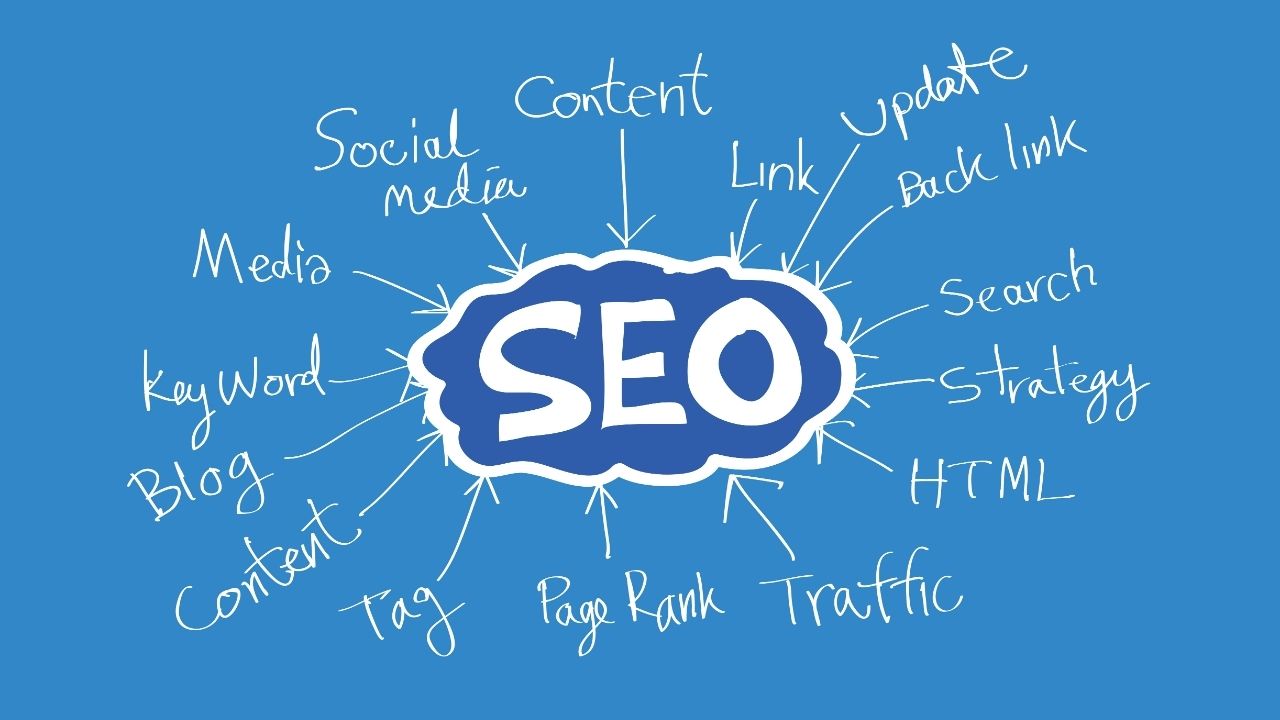
In the competitive landscape of e-commerce, Search engine optimization (SEO) plays a crucial role in driving traffic and boosting sales. With millions of online stores vying for consumer attention, an effective SEO strategy ensures that your products and services are visible to potential customers. SEO involves optimizing various elements Krankenversicherung Deutschland of your website to improve its ranking in search engine results, thereby increasing organic traffic. For e-commerce businesses, the importance of SEO cannot be overstated; it not only enhances visibility but also helps build trust and credibility with consumers. Understanding the foundational benefits of SEO is the first step in harnessing its potential to unlock online sales.
- Increasing Organic Traffic
One of the primary benefits of implementing SEO for e-commerce websites is the significant increase in organic traffic. Unlike paid advertising, which requires ongoing investment to maintain visibility, organic traffic is earned through effective optimization strategies. By optimizing product pages with relevant keywords, high-quality content, and engaging meta descriptions, e-commerce sites can attract users actively searching for specific products. Additionally, utilizing long-tail keywords—phrases that are more specific and often less competitive—can help target niche markets, leading to higher conversion rates. As a result, businesses can enjoy a consistent flow of organic traffic, which is essential for driving online sales.
- Enhancing User Experience
SEO is not just about optimizing for search engines; it also focuses on improving the overall user experience (UX) on an e-commerce website. Search engines prioritize websites that provide a seamless experience, which includes fast loading times, mobile responsiveness, and easy navigation. By enhancing these elements, e-commerce businesses can reduce bounce rates and increase the time users spend on their site. Positive user experiences lead to higher engagement, encouraging customers to explore products and ultimately make purchases. Furthermore, well-structured websites with clear calls-to-action can guide users toward completing their transactions, further boosting sales. By prioritizing user experience as part of an SEO strategy, businesses can create an environment that fosters conversion.
- Building Brand Authority and Trust
Effective SEO strategies contribute to building brand authority and trust, which are critical for e-commerce success. When an e-commerce website ranks high on search engine results pages (SERPs), it signals to consumers that the brand is credible and trustworthy. Positive SEO practices, such as optimizing content for relevant keywords and securing high-quality backlinks, can enhance a brand’s reputation in the eyes of search engines and consumers alike. Additionally, regularly updated content—such as blogs, product guides, and customer testimonials—can establish a brand as an industry authority, further solidifying consumer trust. As customers become more confident in a brand’s credibility, they are more likely to make purchases, leading to increased sales and customer loyalty.
- Cost-Effectiveness and Long-Term Results
SEO is one of the most cost-effective digital marketing strategies available for e-commerce businesses. While paid advertising can deliver immediate results, it often requires a substantial budget to maintain visibility. In contrast, investing in SEO can yield long-term benefits that continue to drive traffic and sales over time. Once a website achieves a good ranking for targeted keywords, it can maintain that visibility with ongoing optimization efforts, resulting in a high return on investment (ROI). Moreover, the organic traffic generated through SEO is often more sustainable and has a higher conversion rate compared to paid traffic, as users tend to trust organic search results more. By implementing a solid SEO strategy, e-commerce businesses can unlock online sales while minimizing marketing costs.
Conclusion
In conclusion, the benefits of SEO for e-commerce websites are multifaceted and crucial for unlocking online sales. By increasing organic traffic, enhancing user experience, building brand authority, and offering cost-effective long-term results, SEO serves as a foundational element for e-commerce success. As the online retail landscape continues to grow, businesses that prioritize SEO will be better positioned to attract and retain customers. In a world where consumers increasingly rely on search engines to find products and services, investing in SEO is not just a strategy; it’s a necessity for driving growth and achieving sustained success in the e-commerce arena. Embracing SEO allows e-commerce businesses to thrive in a competitive market and unlock their full potential in the digital space.