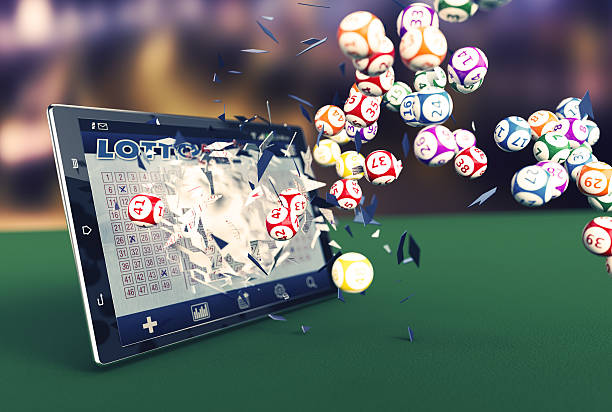
- The Allure of Randomness
Online lotteries thrive on the illusion of randomness. While every draw is technically random, players often believe they can outsmart the system by choosing “lucky” numbers. This belief taps into a cognitive bias known as toto togel the illusion of control—where individuals feel they have influence over outcomes that are purely chance-based. Whether it’s birthdays, anniversaries, or repeating digits, people gravitate toward patterns that feel meaningful, even if statistically they offer no advantage.
- Pattern Recognition and Superstition
Humans are natural pattern seekers. In the context of lotteries, this leads to the widespread use of number sequences, symmetrical combinations, or culturally significant digits. For example, the number 7 is often favored due to its association with luck across many cultures. Superstitions also play a role—some players avoid numbers they associate with bad events, while others cling to those tied to positive memories. These choices are emotional rather than rational, but they shape millions of lottery entries daily.
- The Herd Mentality Effect
Interestingly, many players unconsciously follow trends. When a number wins frequently or gains media attention, it becomes more popular among future players. This herd mentality can lead to number clustering, where many people choose the same digits. While this doesn’t affect the odds of winning, it does impact the payout—if you win with a common number set, you’ll likely share the prize. Savvy players sometimes intentionally pick less popular combinations to maximize potential returns.
- Algorithms vs. Intuition
Some online lottery platforms offer “quick pick” options, where algorithms randomly generate numbers. These are statistically just as likely to win as manually chosen numbers, yet many players distrust them. Intuition often overrides logic, with players convinced their hand-picked numbers carry more weight. Behavioral economists suggest this stems from a desire for agency—people prefer feeling involved in the process, even if it doesn’t improve their chances.
- Winning Strategies or Wishful Thinking?
Despite countless theories and systems claiming to crack the lottery code, no method guarantees success. The psychology behind number selection reveals more about human behavior than it does about winning. From cognitive biases to emotional attachments, our choices reflect deeper desires for control, meaning, and hope. In the end, the best strategy might be to embrace randomness—or at least understand the psychology behind why we resist it.