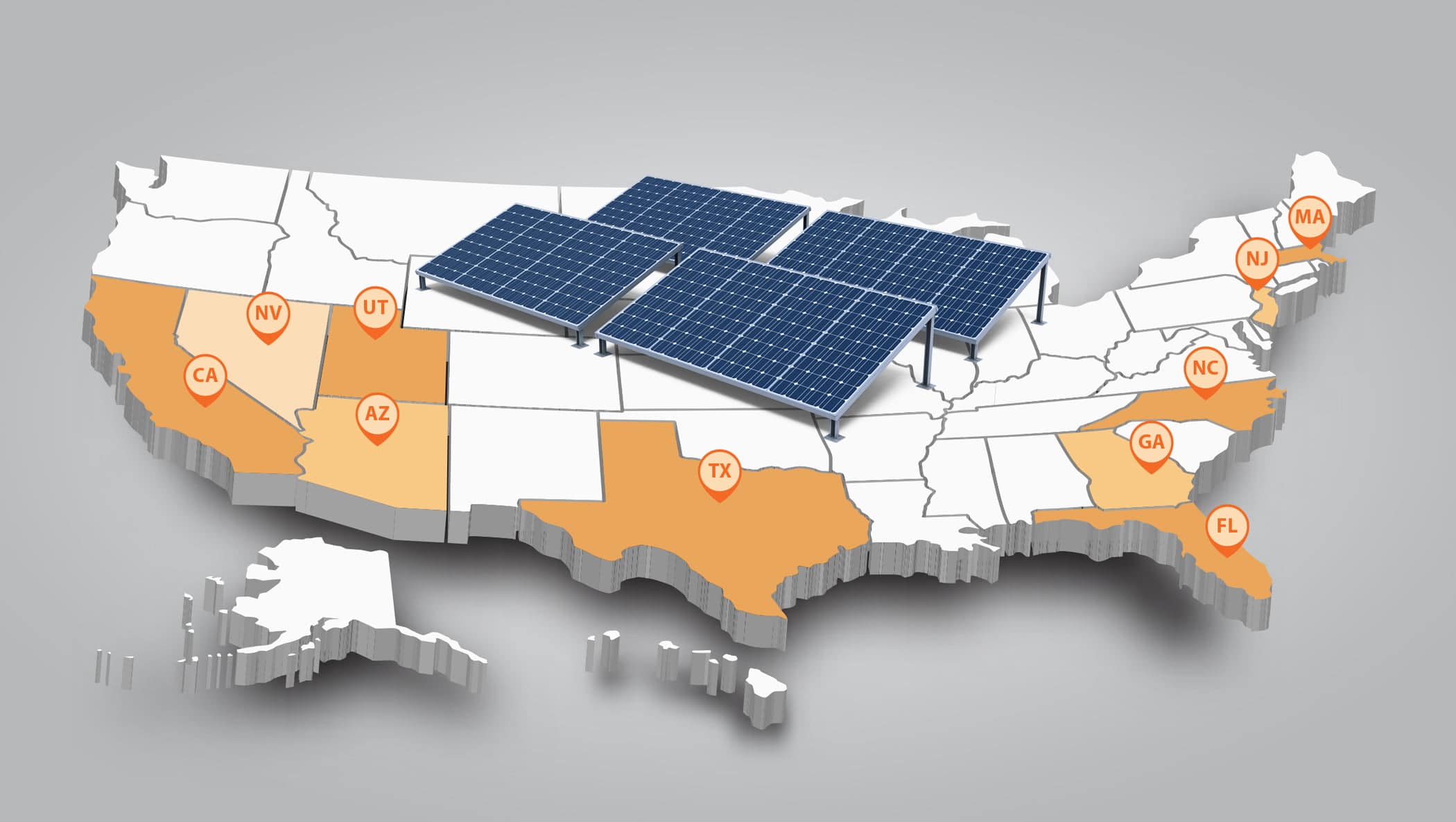
As the solar energy industry continues to grow in the united states, 2025 is shaping up to be a pivotal year for solar panel installations. Technological advancements, economic incentives, and shifts in consumer preferences are driving changes in how vSolar panel installation in USa solar power is adopted. In this article, we’ll explore the top five trends that will shape solar panel installation in the usa in 2025, providing a glimpse into the future of solar energy.
- Increased Adoption of Solar + Storage Systems
One of the most significant trends in solar panel installations is the increasing integration of solar energy systems with battery storage solutions. While solar panels alone are effective for generating energy during daylight hours, pairing them with energy storage systems allows homeowners and businesses to store excess energy for use at night or during cloudy days. In 2025, this combination will become more mainstream as the cost of energy storage solutions continues to decrease.
Energy storage systems, such as lithium-ion batteries, are becoming more affordable, compact, and efficient. This will encourage more homeowners to opt for solar-plus-storage systems, as they offer energy independence and resilience during power outages. Additionally, with the rise of electric vehicles (EVs), the ability to use stored solar energy to charge EVs will become increasingly important. As more regions face weather-related power outages, the demand for solar-plus-storage systems will likely grow, making them a highly attractive option for energy-conscious consumers.
- Smart Solar panels and Energy Management Systems
In 2025, the integration of smart technology into solar systems will become more prevalent. Smart solar panels and energy management systems are designed to optimize energy production and consumption by using advanced software and sensors. These systems allow users to monitor their energy usage in real-time, track performance, and make data-driven decisions to improve efficiency.
Homeowners will increasingly adopt systems that enable remote monitoring and control of their solar panels, battery storage, and home energy use. Some systems will even adjust settings automatically to maximize energy savings based on weather forecasts or the current energy demand. This trend will also be driven by the growing use of smart home technology, where solar panels are part of an interconnected system that can adjust everything from lighting to HVAC to optimize overall energy consumption.
- Wider Availability of Community Solar Programs
Community solar programs, also known as shared solar, are becoming a game-changer for people who cannot install solar panels on their own property—whether due to roof space limitations, shading issues, or renters who don’t own the home. These programs allow individuals to purchase or lease a portion of a larger solar array located off-site, usually in a nearby community solar farm. By 2025, these programs will become more widely available, especially in urban and suburban areas where individual solar installations might not be feasible.
Community solar offers a flexible and affordable way for more people to access the benefits of solar energy without the high upfront costs or installation hurdles. It is expected that more states and municipalities will pass legislation that supports community solar development, allowing consumers to buy shares in local solar farms and enjoy savings on their energy bills. As more consumers turn to shared solar programs, they will help democratize access to renewable energy, contributing to cleaner power grids nationwide.
- Stronger Government Incentives and State-Level Support
Government incentives and state-level support will continue to be a significant driver of solar panel installations in the usa in 2025. The federal Investment Tax Credit (ITC), which offers a substantial tax break for solar system installations, will still be a major factor in reducing the cost of installing solar panels. Currently, the ITC provides a 26% tax credit on the total cost of a solar system, and though it is slated to decrease over the next few years, many expect to see new extensions or modifications to keep the incentive robust.
At the state level, various regions are introducing policies to encourage solar adoption, such as net metering (which allows solar panel owners to sell excess electricity back to the grid), rebates, and low-interest financing options. In 2025, we can expect even more states to create or expand incentives, particularly as more regions strive to meet renewable energy targets and reduce carbon emissions. These government policies will make solar energy more accessible and financially attractive, especially in states like California, New york, and Texas, which already have robust solar programs.
- Increased Focus on Solar for Commercial and Industrial Sectors
While residential solar panel installations continue to grow, 2025 will see an even greater focus on commercial and industrial (C&I) solar installations. Businesses, particularly those with large roofs or land, are increasingly adopting solar systems to lower their energy costs and meet corporate sustainability goals. In addition to saving money, C&I solar installations offer companies the opportunity to hedge against rising energy prices, ensuring long-term energy stability.
As the economics of solar continue to improve, more large companies will look to install solar systems to power their operations. This trend is particularly strong in sectors such as manufacturing, retail, and warehousing, where energy consumption is high. Many companies are also investing in sustainability as part of their corporate social responsibility (CSR) initiatives, and solar energy is seen as an effective way to meet green energy targets. Large-scale solar installations will also be supported by financial models like power purchase agreements (PPAs), where businesses can install solar without upfront costs by agreeing to purchase the energy generated over time.
Conclusion: The future of Solar energy in the usa
The solar panel installation landscape in the usa is evolving rapidly, with technological innovations, government incentives, and growing consumer interest driving the market forward. In 2025, we can expect to see more widespread adoption of solar-plus-storage systems, smarter energy management solutions, and a broader reach of community solar programs. As the cost of solar technology continues to fall and the environmental urgency grows, solar energy will play an even larger role in powering homes, businesses, and industries across the country.
With these trends shaping the future, solar energy will continue to be a cornerstone of the clean energy revolution, helping the usa reduce its carbon footprint and move toward a more sustainable and resilient energy future. Whether you’re a homeowner, business owner, or just an energy enthusiast, the next few years will be an exciting time for solar panel installations.