Envisioning the Future of Quality Control
Imagine a bustling factory floor where precision is vital—every product must meet stringent quality standards. Recent studies reveal that over 60% of manufacturers struggle with maintaining these standards consistently. How can companies adapt? Enter the cobot system, a harmonious blend of human collaboration and robotic efficiency, particularly highlighted by advanced solutions like the vision guided robot.
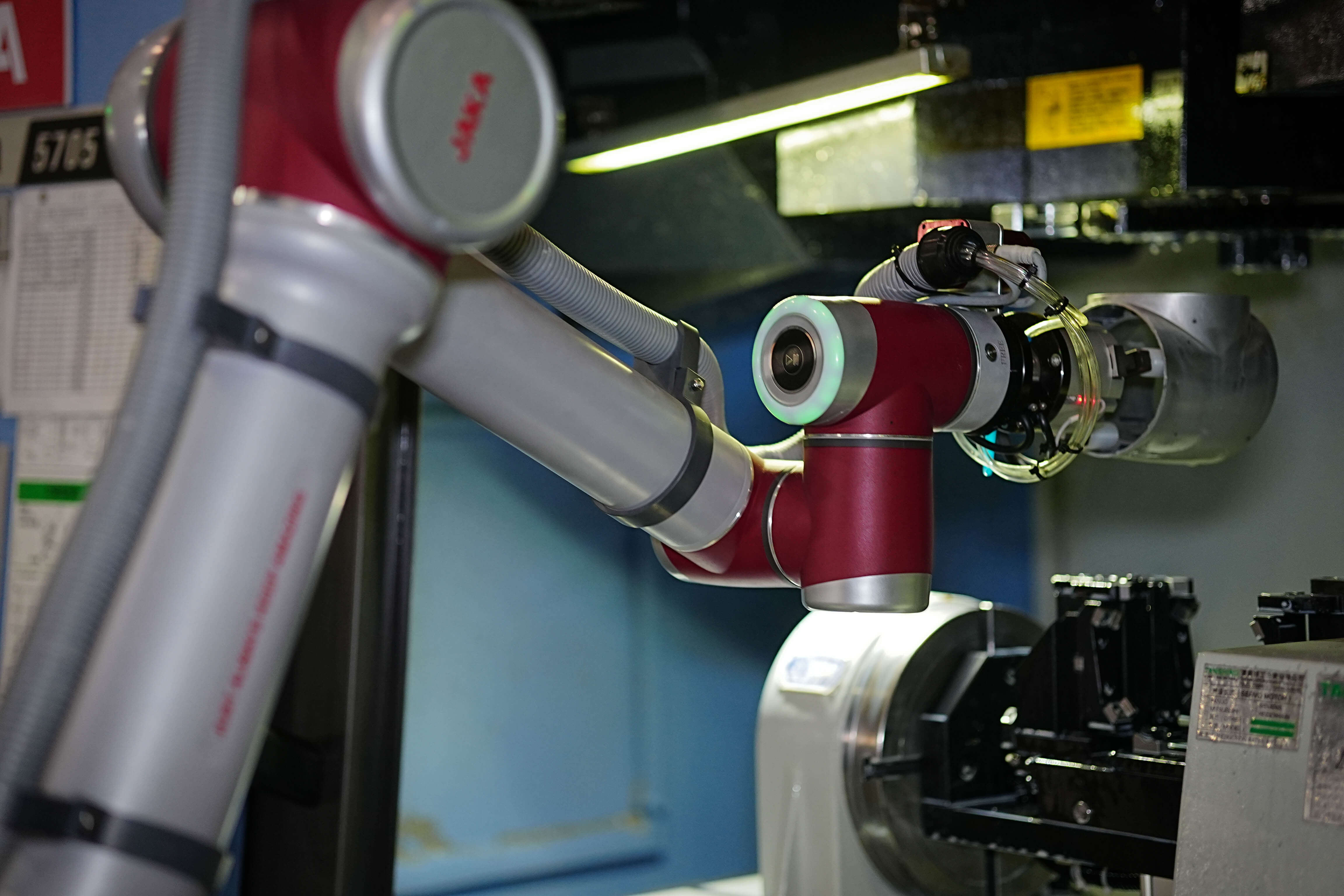
Understanding Vision Guided Robots
Vision guided robots represent a pivotal shift in industrial automation. These robots use sophisticated imaging systems to navigate, inspect, and execute tasks with incredible accuracy. From my experience in the industry, I can attest to their transformative potential. I vividly recall witnessing a team of engineers who faced recurrent errors during final inspections. Their frustration was palpable—a reality amplified when dealing with traditional systems that couldn’t accommodate their flexibility needs. With the integration of a vision guided robot, they experienced a remarkable increase in efficiency and a significant reduction in return rates.
What Sets Them Apart?
The true strength of vision-guided robots lies in their ability to adapt. Unlike conventional robotic systems, which often require rigid layouts, these advanced machines can work within dynamic environments. Instead of getting locked into a single function, they can switch tasks effortlessly, significantly contributing to quality control processes. This versatility not only streamlines operations but also fosters a culture of continuous improvement. It’s comforting to see how this technology translates into tangible benefits on the production floor. After all, when speed meets precision in harmony, everyone benefits.
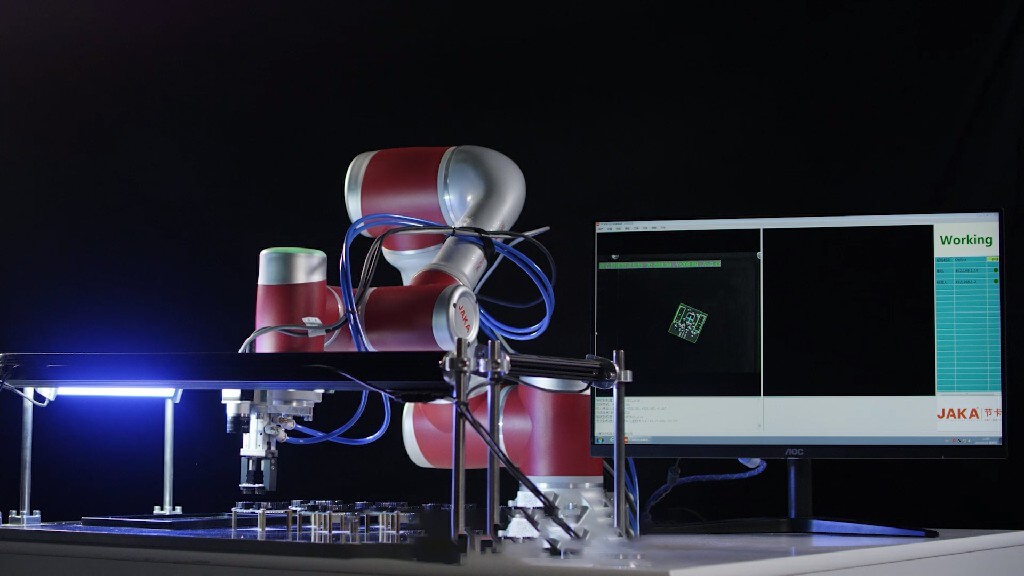
What’s Next for Quality Control?
As we look to the future, the role of cobots in quality control will likely expand even further. Companies will focus on integrating these robots more deeply, positioning them as central players in their operations rather than mere adjuncts. The flexibility offered by a vision guided robot allows manufacturers to pivot quickly in a market that demands agility. With real-time data on product quality available, the decision-making process will become increasingly data-driven and proactive.
Moreover, companies will explore the integration of artificial intelligence into these systems, enhancing their decision-making capabilities. Outdated solutions will no longer suffice, especially when speed to market is critical. This evolution calls for skilled workers who can work alongside these advanced systems, a shift that presents exciting opportunities for training and development.
Lessons Learned
Reflecting on my journey in manufacturing, I’ve learned that embracing innovation is key to survival. Quality control isn’t just about maintaining standards; it’s about adapting to new realities and technologies. By focusing on metrics such as return rates, cycle times, and inspection accuracy, companies can evaluate their current systems and make informed decisions about future investments. I firmly believe that those who recognize the value of integrating cobots into their quality processes will emerge as leaders in their fields.
In a world where efficiency and quality are paramount, embracing technology will not just enhance bottom lines—it will redefine expectations. For anyone considering this transition, remember: it’s not merely about adopting new tools; it’s about fostering a mindset ready to evolve. I encourage you to explore what a brand like JAKA offers—innovation that genuinely resonates with the needs of today’s manufacturing landscape.