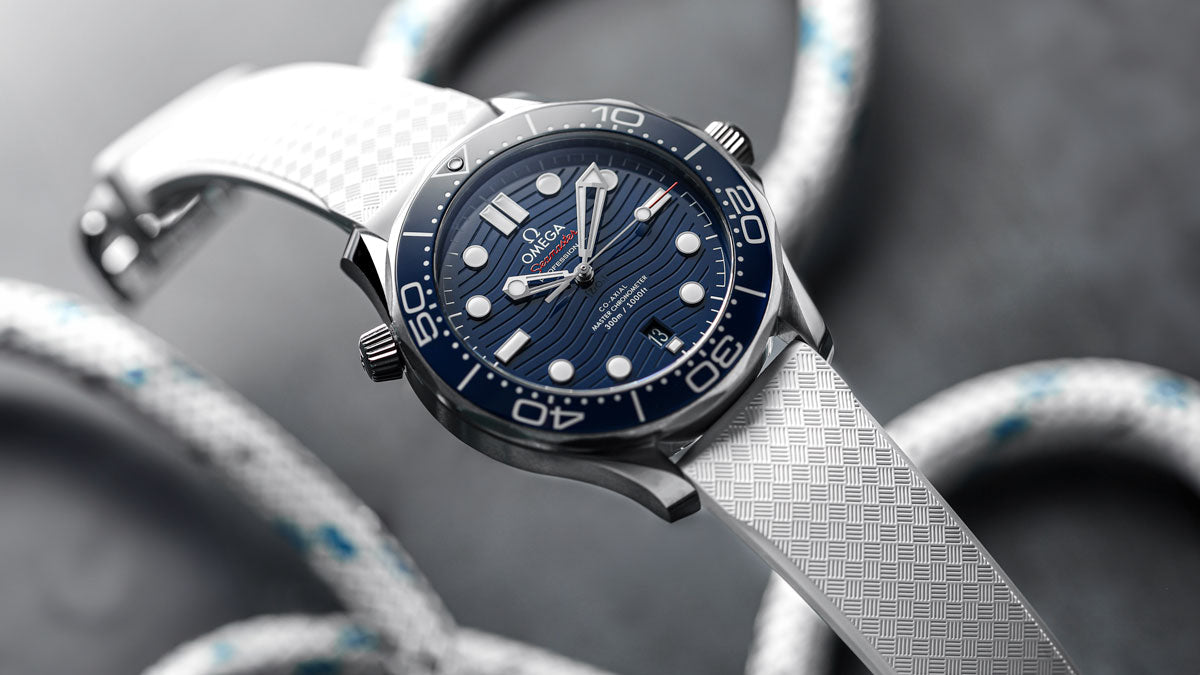
Watch straps are an essential part of any timepiece, as they not only secure the watch on the wrist but also contribute to the overall comfort, style, and functionality of the watch. Whether it’s a luxury watch or a more affordable model, the strap plays a significant zulu strap role in the watch’s appearance and how it feels when worn. Over the years, there has been a shift in how people view watch straps, with many opting to swap out straps to personalize their timepieces. With an array of materials, designs, and closure types available, the choice of watch strap is more diverse than ever, catering to different tastes and needs.
One of the most traditional and well-loved materials for watch straps is leather. Leather straps are popular for their timeless appeal and luxurious look. They’re most commonly seen on dress watches and formal timepieces. Leather is known for its elegance and versatility, fitting perfectly with both classic and contemporary watch designs. The rich texture and feel of leather add sophistication to a watch, making it ideal for business settings, formal occasions, or simply enhancing the overall aesthetics of the timepiece. As leather ages, it develops a unique patina, which personalizes the strap, giving it a character that reflects the wearer’s lifestyle. Additionally, leather is a material that molds to the shape of the wrist over time, making it comfortable for extended wear.
However, leather straps come with some downsides. They are highly susceptible to damage from moisture, sweat, and sunlight. Leather can crack, fade, or become stiff when exposed to water, humidity, or harsh Uv rays. To maintain a leather strap, regular care such as conditioning and avoiding prolonged exposure to the elements is necessary. Leather straps also have a limited lifespan compared to some other materials, and their maintenance may require replacement after some time. Despite these disadvantages, leather remains a top choice for those seeking a refined, elegant strap for their watch.
On the other hand, metal straps, especially those made of stainless steel, titanium, or other alloys, offer a highly durable and robust alternative to leather. These straps are popular in sports watches, dive watches, and tool watches due to their resilience. Metal straps are known for their strength, scratch resistance, and ability to withstand tough conditions, making them ideal for active individuals who need a watch that can handle daily wear and tear. Stainless steel is particularly popular for its durability and corrosion resistance, ensuring that the strap remains in good condition even after exposure to sweat, water, and other environmental factors.
Another advantage of metal straps is their sleek and modern appearance, which allows them to transition easily from casual to formal settings. Metal straps are available in various finishes, from polished to brushed, offering different aesthetics depending on the wearer’s preferences. Additionally, metal straps often feature removable links, enabling wearers to adjust the strap length for a customized fit. However, metal straps can be heavier than leather or rubber options, which might cause discomfort for some wearers, especially during warmer months. Additionally, metal bands may not be as breathable as leather or fabric, leading to sweating or irritation on the skin in hot conditions.
Rubber straps have become increasingly popular, especially among sports watch enthusiasts, athletes, and divers. One of the most significant advantages of rubber straps is their exceptional resistance to water, sweat, and dirt. Rubber straps do not absorb moisture, making them ideal for individuals who lead active lifestyles or participate in water sports. These straps are lightweight, flexible, and comfortable, providing a snug fit without causing any discomfort during physical activities. Furthermore, rubber straps are easy to clean, as they can be washed or wiped down without worrying about damage or degradation. They are also highly durable and can withstand exposure to extreme temperatures without losing their flexibility or strength.
However, while rubber straps excel in durability and functionality, they may not always be the most refined option for formal settings. The casual and sporty look of rubber straps may not be appropriate for dress watches or business environments, as they lack the sophistication and elegance of leather or metal. Still, for those who prioritize comfort and practicality, rubber straps are an excellent option for daily wear, especially for outdoor enthusiasts or those who engage in water-based activities.
Fabric straps, such as those made from nylon or canvas, provide a different option for watch wearers who prefer a more rugged, casual look. Fabric straps are commonly found on military or field watches, where durability and functionality are paramount. One of the significant benefits of fabric straps is their breathability. Materials like nylon allow air to circulate, making them more comfortable in warm weather or during physical activities. Fabric straps are also highly adjustable, allowing the wearer to customize the fit, whether through buckle systems or hook-and-loop fasteners. This adjustability provides added comfort, especially for those with smaller or larger wrists. Additionally, fabric straps are lightweight, making them a good choice for extended wear without feeling heavy or bulky.
However, fabric straps have some limitations in terms of appearance. While they offer practicality and comfort, they are not as sophisticated as leather or metal straps, making them less suitable for formal or luxury timepieces. The look of fabric straps is generally more casual and functional, which can be appealing to those who prefer a rugged or utilitarian style. They also tend to wear out more quickly than other materials, especially if subjected to harsh conditions, such as frequent exposure to water or dirt.
The closure mechanism of a watch strap is another essential consideration. The most common types of closures include buckles, clasps, and deployant clasps. A buckle is a simple and traditional method of fastening the strap, commonly seen on leather or fabric straps. It involves a pin that fits into a series of holes, allowing the wearer to adjust the length of the strap. While buckles are easy to use and adjustable, they may not offer the same level of security or refined look as other closures. For a more secure and polished option, many metal or rubber straps feature clasps or deployant clasps. These mechanisms provide a more elegant and secure fastening, often incorporating push-button releases for ease of use.
Choosing the right strap for your watch involves considering factors such as comfort, style, and functionality. The material, design, and closure mechanism of the strap can all influence the watch’s overall appeal. Whether you prefer the elegance of leather, the durability of metal, the flexibility of rubber, or the comfort of fabric, there is a wide range of options available to suit different lifestyles and occasions. Watch straps are an essential element of the watch-wearing experience, and with the ability to swap them out, they allow for personalization and customization. By choosing the right strap, watch enthusiasts can enhance both the comfort and style of their timepieces, ensuring that their watch remains a treasured accessory for years to come.