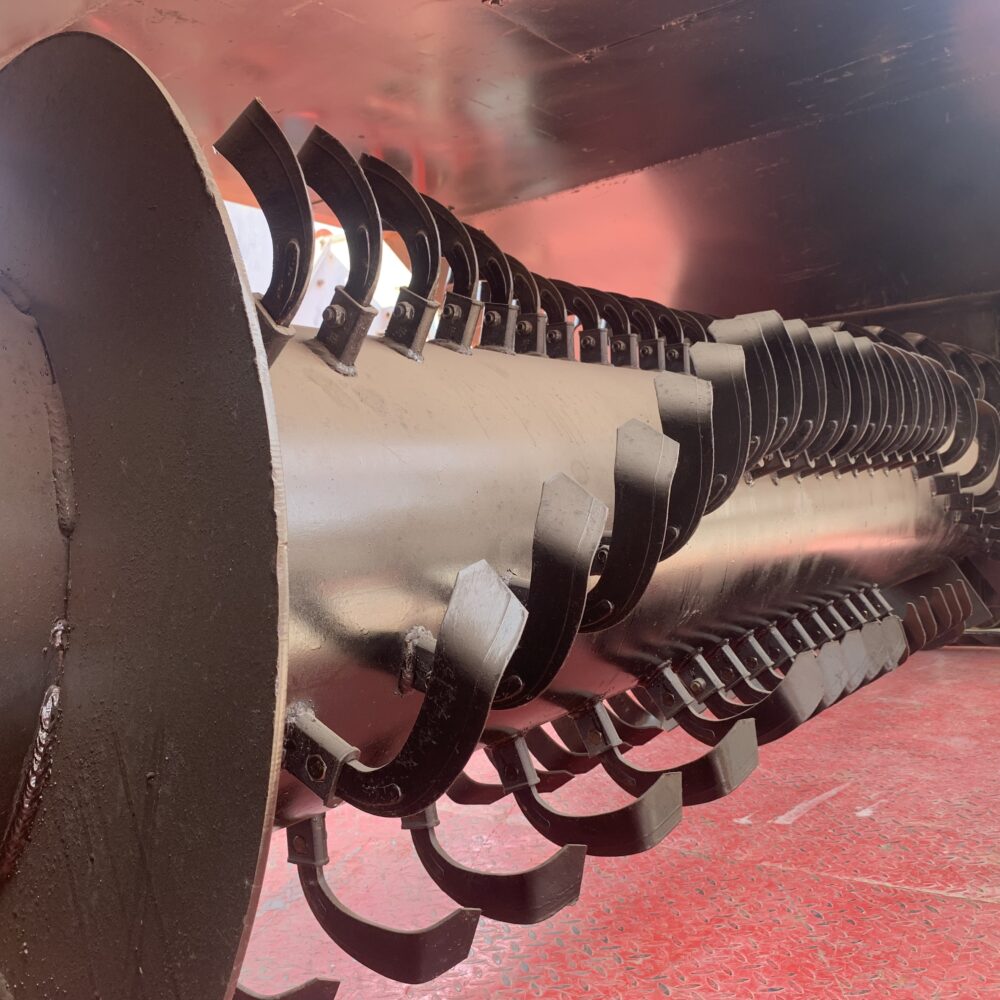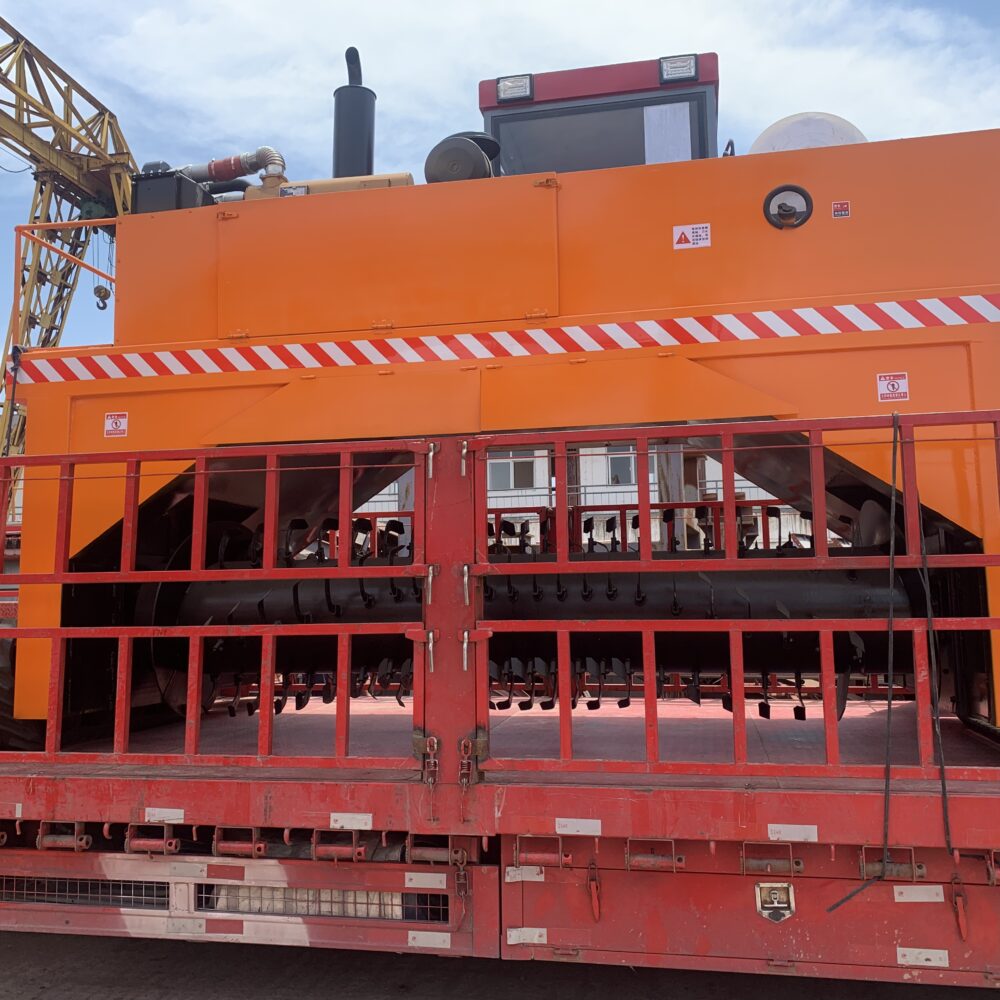
Did you know that composting can reduce waste by up to 30%? That’s right! With the increasing emphasis on sustainability, machines like the turner composting machine are becoming essential in managing organic waste. But beyond their environmental benefits, these machines also navigate a complex web of legal regulations and intellectual property rights.
The Basics of Turner Composting Machines
The turner composting machine is designed to aerate and mix organic materials efficiently, speeding up the decomposition process. From a legal standpoint, these machines must comply with various environmental regulations aimed at reducing pollution and promoting sustainable practices. Additionally, they often come with unique designs or technologies that may be protected under intellectual property rights (IPR), ensuring that manufacturers can safeguard their innovations while contributing positively to our planet.
Diving Deeper into Fertilizer Compost Turning Machines and Intellectual Property Rights
When we talk about fertilizer compost turning machines specifically, it’s fascinating how IPR plays a crucial role in this sector. Manufacturers invest significant resources into developing advanced features—like automated controls or energy-efficient designs—that enhance performance. These innovations can be patented or trademarked, providing companies with exclusive rights to their inventions while fostering competition within the industry. This not only protects their investments but also encourages further advancements in eco-friendly technology.
Xincheng’s Unique Features in Intellectual Property Rights
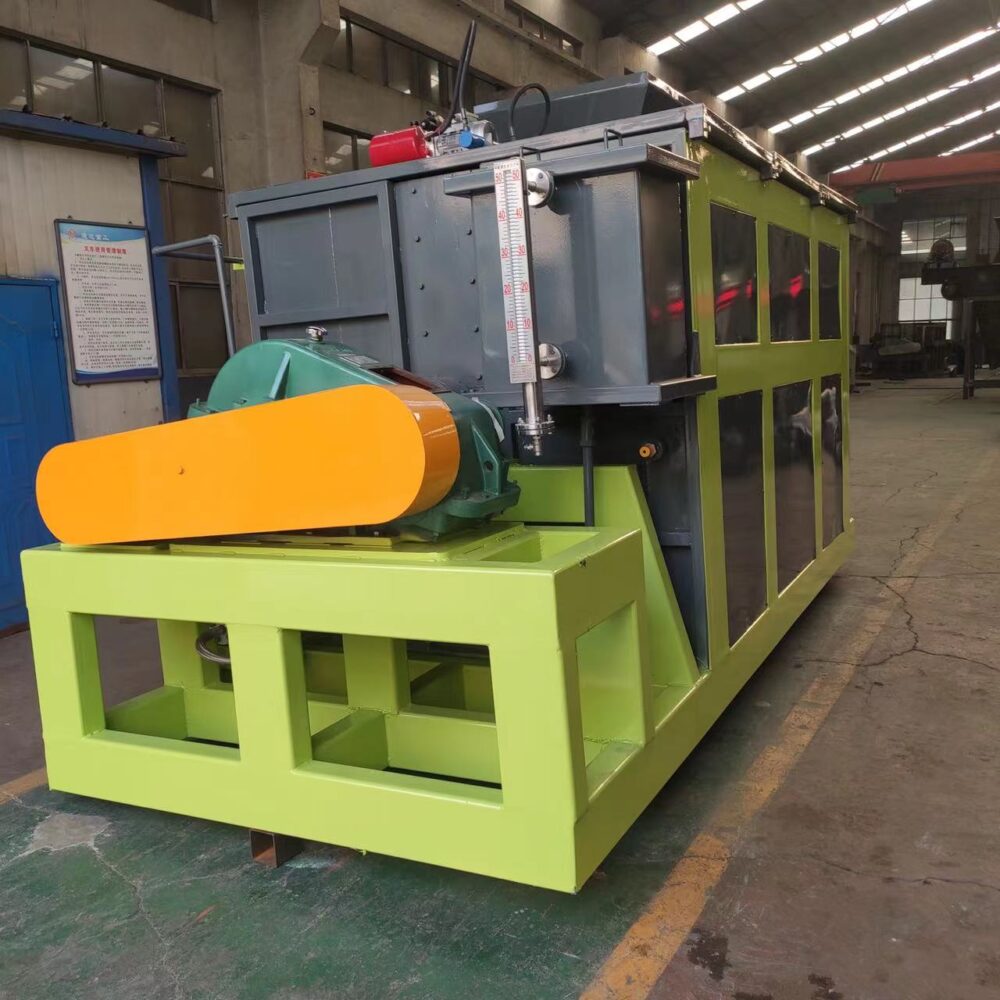
Xincheng stands out when it comes to its approach towards intellectual property rights related to its turner composting machinery:
- Patented Technologies: Xincheng has secured patents for several innovative features that improve efficiency and usability.
- Trademark Protection: Their brand name is registered as a trademark, ensuring recognition and trust among consumers.
- Copyrights on Designs: The aesthetic design of Xincheng’s products is protected under copyright laws, preventing unauthorized reproductions.
- Sustainable Practices Compliance: They adhere strictly to local environmental laws which enhances their reputation as responsible innovators.
- Liaison with Regulatory Bodies: Xincheng actively collaborates with regulatory agencies to ensure compliance while advocating for favorable policies regarding green technology development.
A Concluding Note
The turner composting machine exemplifies how innovation meets regulation in today’s eco-conscious world. Understanding its attributes concerning intellectual property rights not only highlights the importance of protecting technological advancements but also emphasizes our collective responsibility toward sustainable practices. As we continue embracing such efficient solutions for waste management, let’s appreciate both their functionality and the legal frameworks supporting them!