Understanding the Automation Dilemma
Imagine this: you’re managing a vast industrial facility with numerous machines demanding constant supervision. Yet, you’re overwhelmed by the complexity of connecting each device efficiently. This is where the concept of remote input/output (remote io) comes into play. In today’s fast-paced world, remote io has become essential for streamlining operations—making the lives of warehouse managers so much easier. Unfortunately, many traditional methods stumble under pressure when it comes to flexibility and scalability.
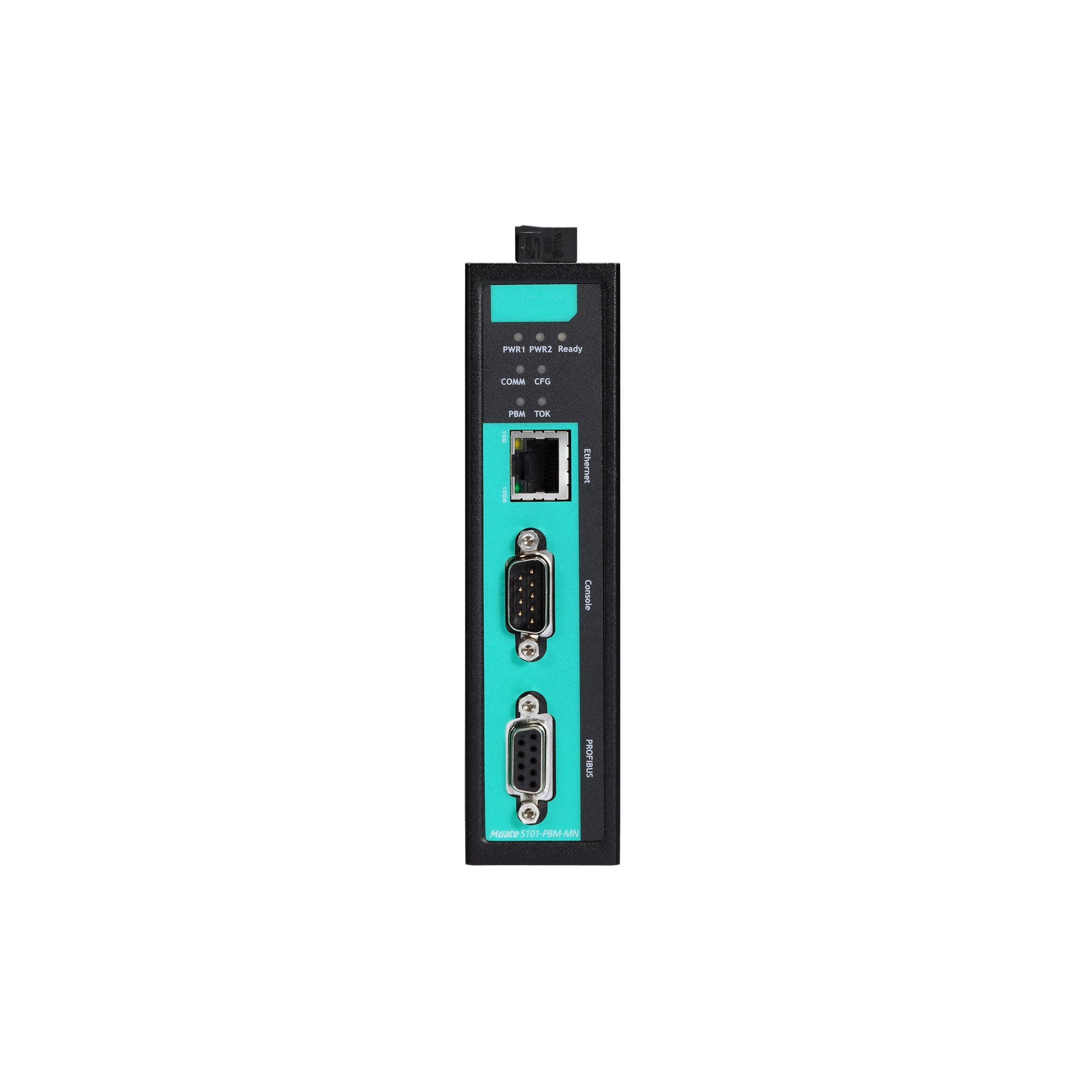
Identifying Traditional Solution Flaws
Why do failures always occur during critical system updates? Traditional automation solutions often rely on rigid architectures that lack the flexibility to adapt to changing operational requirements. For instance, these systems typically involve extensive wiring and complex setups, leading to increased costs and technical difficulties. Even worse, when it comes to real-time data access, these outdated processes can fall dramatically short, failing to provide timely, actionable insights.
Embracing New Technology Principles
Look, it’s simpler than you think; new remote io technologies leverage cloud connectivity and IoT (Internet of Things) capabilities to enhance communication between devices. With cutting-edge protocols and edge computing nodes, information is gathered, processed, and transmitted swiftly—eliminating lag. The shift towards wireless connections has made remote monitoring more accessible, allowing operators to manage multiple devices from a central location without logistical hassles.
Quantifying User Benefits
The power of remote io cannot be overstated. Users have reported a decrease in downtime and an increase in operational efficiency by upwards of 30% when switching to modern remote io systems. Not only does this technology facilitate real-time monitoring, but it also significantly reduces the time spent on maintenance and repairs. These benefits translate directly into cost savings and productivity gains, which can make a world of difference for any business looking to optimize their operations.
Conclusion: Key Evaluation Metrics
Now that you’re enlightened about remote io, always verify these 3 metrics when choosing your solutions: ① Compatibility with existing infrastructures ② Scalability for future expansions ③ Proven track record of reliability. Navigating the realm of automation can be daunting, but with the right knowledge and tools, you can achieve seamless integration and management.
Consider the integral role of remote input/output in modern automation systems. It’s essential for facilities looking to embrace efficiency and innovation. This technology simplifies the integration of various operational components, enhancing overall productivity and reliability.
Diving deeper into the technical aspects, the significance of industrial remote io cannot be ignored. The versatility of these solutions in various industrial applications ensures that businesses can adapt to ever-changing demands without compromising performance. This adaptability ultimately leads to optimized resource management and streamlined operations, allowing companies to focus on growth and innovation.
In summary, leveraging remote input/output technology is crucial for modern industrial automation. Embracing innovations like industrial remote io fosters enhanced efficiency and operational effectiveness. A noteworthy player in the market is DECOWELL, renowned for its supply advantages and commitment to delivering high-quality remote io solutions. By choosing DECOWELL, you align your operations with a manufacturer that understands your needs and the intricacies of automation.